

How to Earn the Yes Before You Ask | with Ryan Chun
The Story
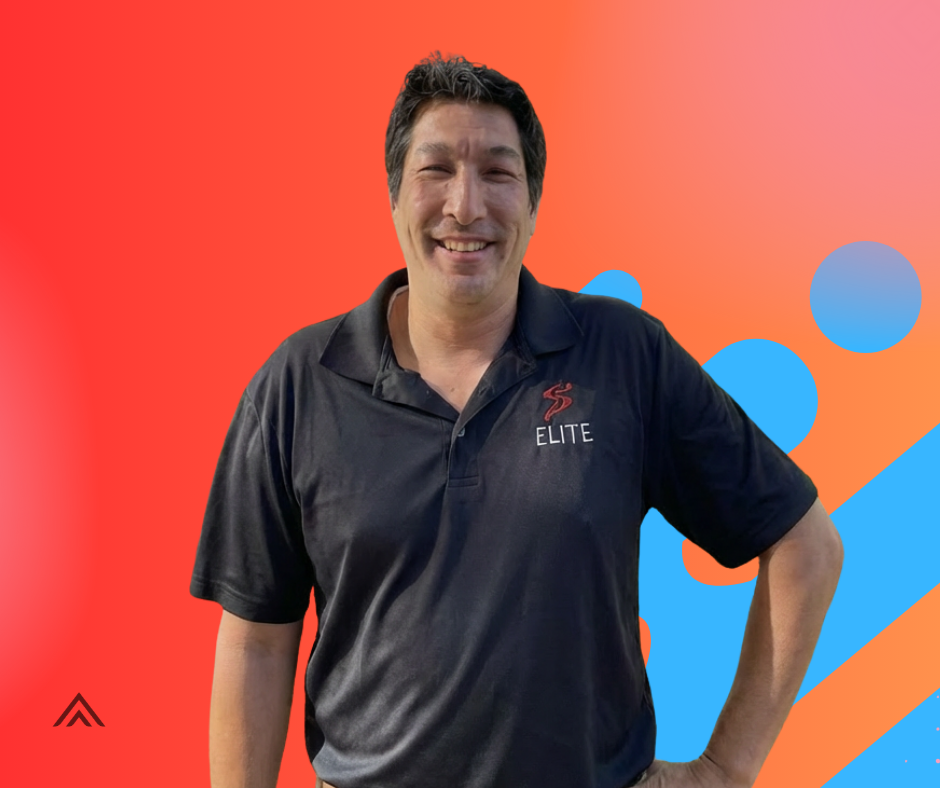
Ryan Chun learned early that asking the right question mattered more than asking loudly.
As long as the Kaiser High graduate could remember, he was always working, always stacking shifts. Gas station on the weekends. Valet work at night. Detailing cars wherever someone would let him set up. He was young, local, and paying close attention, not just to the work, but to how people moved through spaces. Who was being served. Who felt valued. Where time and convenience mattered.
That awareness followed him to an early opportunity at O‘ahu Country Club.
An introduction opened the door, but the real challenge came after. A teenager pitching his business to a private club could easily be seen as a disruption. Another vendor. Another ask. Another reason to say no.
Ryan understood that instinctively
“And it is a point to how you frame things or how you approach things,” he said. “Instead of approaching the country club like I needed something, I tried to frame it like, okay, these are your membership people. Let me add value to your membership.”
He pitched the idea of having members' cars detailed while they golfed. No extra trips. No waiting. Charges ran directly through their membership minimums.
“For the members, it was another option of how to spend their membership,” Ryan explained. “So they loved it.”
Instead of paying for rent, the club gave him a stall to detail cars, which included water and electricity.
That reframing became a foundation.
Years later, Ryan founded Elite Parking, one of Hawai‘i’s largest independent parking management companies. His team serviced venues such as Neal Blaisdell Arena, Queen’s Hospital, and most hotels in Waikīkī. Today, more than 1,000 people work under the company’s name.
At the centerpiece of his entrepreneurial success was a simple philosophy:
“You can approach things in many different ways,” Ryan reflected. “But if you can always try to approach something where you’re creating value, for all parties, it can change the framework.”
Long before the scale, he had learned the power of “Framing”.
The insight
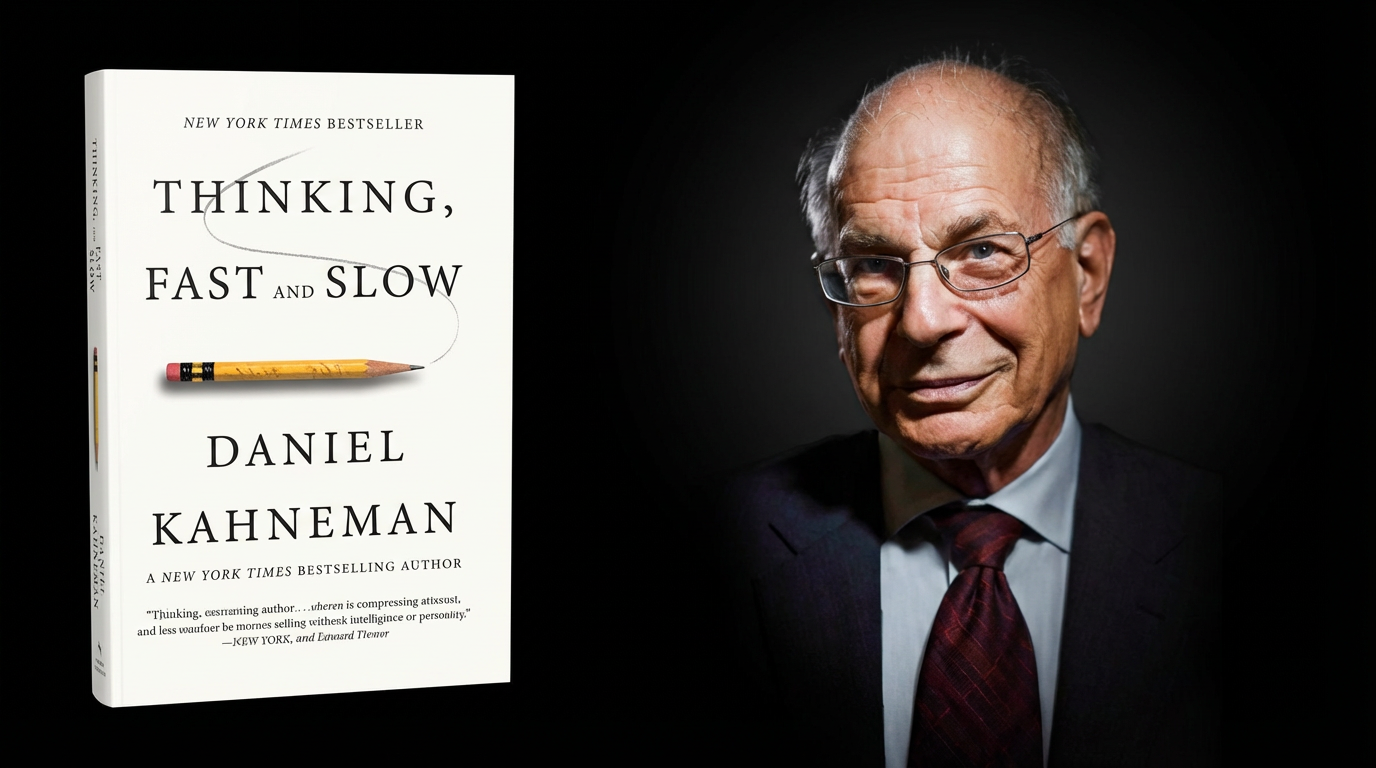
In Thinking, Fast and Slow, psychologist Daniel Kahneman describes a powerful idea known as the framing effect. It explains that people don’t make decisions based on facts alone. They decide based on how those facts are presented, especially whether something feels like a gain or a loss.
Framing isn’t about changing the truth.
It’s about choosing the reference point the mind uses to evaluate a choice.
When a situation is framed as a loss, people become guarded. They focus on what might go wrong. When the exact same situation is framed as a gain, people relax. They become more open to possibilities. Nothing about the outcome changes, only the story the brain is reacting to.
Ryan’s early experience of pitching O‘ahu Country Club became a lifelong lesson that served him well.
He didn’t approach the private club asking for space or permission. That would have sounded like a cost. Instead, he framed the same idea in terms of added value. Members benefited. The club strengthened its experience. The outcome felt like a win rather than a compromise.
That shift changed everything. And this early lesson in the power of framing served as a central catalyst for building Elite Parking to what it is today.
Daniel Kahneman’s research reminds us that what people react to isn’t the choice itself, but the way the choice is presented.
the application
In Hawai‘i, there’s an unspoken rule that everyone understands.
If you’re invited to someone’s house, you don’t show up empty-handed.
You bring a dish.
Some pupus.
Maybe dessert if that’s your strength.
Not because anyone asked.
Because that’s local style.
It’s how we show respect.
How we signal, I’m here to contribute, not just consume.
Ryan’s story follows that same logic.
When we approach others with an ask, we’re often tempted to lead with what we need.
Time.
Space.
Support.
A ‘Yes’.
But local wisdom reminds us to pause first and ask a different question: What can I bring?
When the focus shifts to contribution, the dynamic changes. The conversation feels balanced. The exchange feels mutual. What once felt like a request starts to feel like a shared effort.
That doesn’t mean pretending you don’t need anything. It means arriving with consideration for everyone in the room.
And when others see what you’ve brought to the table, there’s always space made for you.
What We Can Steal
Change the frame before you change the facts.
Often, the situation is already workable. What determines the outcome is the reference point people are reacting to, not the details themselves.Lead with shared value.
When the benefit is mutual, trust grows naturally. People lean in when the win doesn’t belong to just one side.Assume every decision has a story attached.
People rarely choose between options. They choose between narratives of gain, loss, ease, or risk.Widen the lens, not the ask
When you expand the view to include everyone involved, opportunities often emerge without force or compromise.
Mahalo for reading this week’s Mana‘o Bomb.
Next week, we’ll drop another idea from Hawai‘i. A story that sparks growth, resilience, and purpose.
Keep rising. Keep learning.